


GARDEN ROUTE | KAROO NEWS - The National Sea Rescue Institute (NSRI) is urging beachgoers and coastal users to exercise extra caution during a new moon spring tide peaking on Saturday, 20 December, which will significantly affect tidal conditions over the weekend and into the coming days.
Spring tides occur when the sun, moon and Earth align during the new moon phase, increasing gravitational pull and causing greater variation between high and low tides.
As a result, higher-than-normal high tides and lower-than-normal low tides are expected along the coast.
What to expect
During a spring tide:
High tides reach further up the shoreline
Low tides expose more of the seabed
The tidal range – the difference between high and low tide – is at its maximum
These conditions often lead to stronger tidal currents, particularly in narrow inlets and estuaries.
Potential hazards
The NSRI warns that spring tides can increase several coastal risks, including:
Rip currents: Stronger tidal flows can intensify rip currents at beaches, increasing the danger for swimmers
Rip tides: Powerful water movement in areas such as the Knysna Heads
Coastal hiking risks: Some coastal paths may become hazardous or inaccessible during afternoon high tides
Fishing dangers: Higher waves may reach beyond normal safe zones for shoreline anglers
Safety advice
To reduce risk, the NSRI recommends the following precautions:
Beach and swimming safety
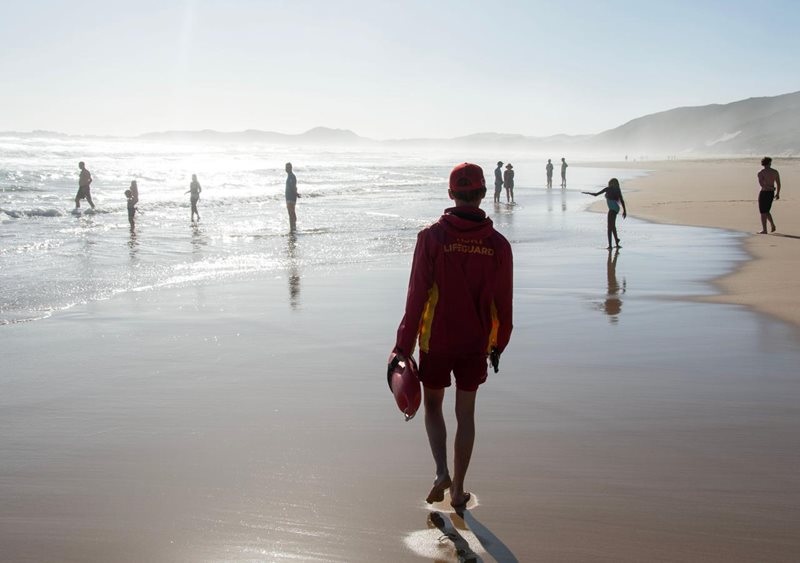
Swim only at lifeguard-protected beaches and stay between the flags
Be alert for rip currents, particularly during outgoing tides in the late afternoon
Check daily weather forecasts from the South African Weather Service and consult local tide tables
Coastal activities
Plan coastal hikes carefully and avoid routes that may be cut off at high tide
Shore anglers should keep a safe distance from the water; those fishing from rocks or cliffs should wear life jackets and carry flotation equipment, such as an empty 5l container with a rope attached
Boaters and paddlers should always wear life jackets, carry essential safety gear, and keep a fully charged cellphone in a waterproof pouch
The free NSRI SafeTrx app allows users to log trips and quickly call for help if needed
General water safety
Avoid alcohol before swimming or engaging in water-based activities
Supervise children closely at all times near water
Exercise caution around rivers, dams and lakes, particularly after heavy rainfall
Monitor weather conditions, including strong winds and fast-flowing rivers
The NSRI advises timing activities carefully, especially during tide changes, and remaining alert to local safety warnings. The effects of spring tides can last several days.
“By staying informed and taking sensible precautions, coastal visitors can enjoy the ocean responsibly while minimising risk,” the NSRI said.
For updates and emergency assistance, visit www.nsri.org.za.
For interviews or further information, contact NSRI Communications Manager Andrew Ingram at [email protected] or 082 990 5977.
‘We bring you the latest Garden Route, Hessequa, Karoo news’