

BUSINESS NEWS - More than 70% of South Africans are experiencing financial stress, with rising living costs now replacing interest rates as the biggest source of financial anxiety.
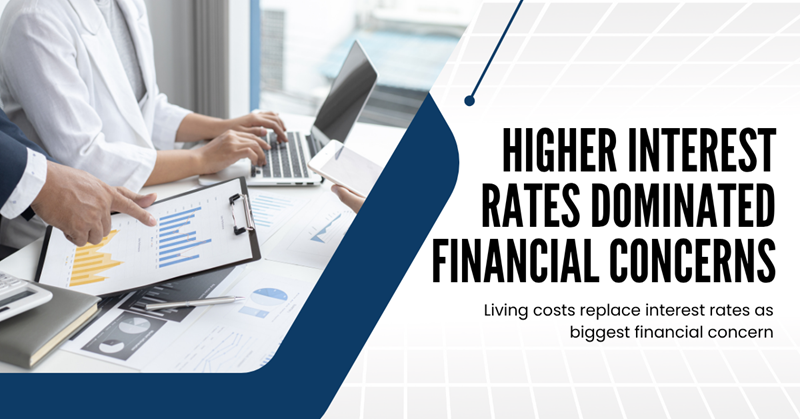
Living costs replace interest rates as biggest financial concern
Home-life stress has also reached its highest level in five years, according to the latest DebtBusters 2026 Money-Stress Tracker.
The survey, now in its fifth year, attracted almost 18,000 respondents, making it one of South Africa's largest studies into the impact of financial pressure on households, workplaces and personal wellbeing.
This year, 72% of respondents said they experience money-related stress, a slight increase from 2025 and a reversal of the steady decline recorded since the 78% peak in 2023.
Home-life stress has risen to 42%, increasing by more than a third compared to last year and reaching its highest level since the survey began.
Debt repayments and rising household expenses increase financial pressure
After two years in which higher interest rates dominated financial concerns, South Africans are now most worried about running out of money before month-end and being able to meet debt repayments.
Concerns about inflation and the rising cost of living have increased by nearly a third, while anxiety over electricity costs has almost doubled, rising by 99% compared to 2025.
The survey also found that more than half of respondents spend over 40% of their take-home pay servicing debt, placing many households under severe financial strain.
People earning more than R20,000 per month are facing the greatest debt repayment pressure.
DebtBusters executive head Benay Sager says this income group represents the backbone of South Africa's middle class, with 75% spending more than 30% of their after-tax income on debt repayments.
Young South Africans and women report the highest stress levels
Younger consumers and lower-income earners remain the most financially stressed.
Three-quarters of respondents under the age of 35 said they feel anxious or stressed about their finances, while financial anxiety among those aged 24 and younger has increased by 18% compared to last year.
This age group is particularly concerned about paying off debt and coping with rising living costs.
The survey also found that women continue to experience significantly higher levels of financial stress than men across almost every category measured.
Home-life stress among women has reached its highest level in five years, reflecting the growing financial pressures experienced by many households.
Financial stress increasingly affects family life
Drawing on more than 130,000 survey responses collected over the past five years, DebtBusters identified four key indicators of financial stress:
- Feeling financially stressed.
- Experiencing stress at home.
- Spending more than 40% of income on debt repayments.
- Feeling financially trapped.
All four indicators increased compared to 2025, with home-life stress showing the sharpest rise
‘We bring you the latest Garden Route, Hessequa, Karoo news’