


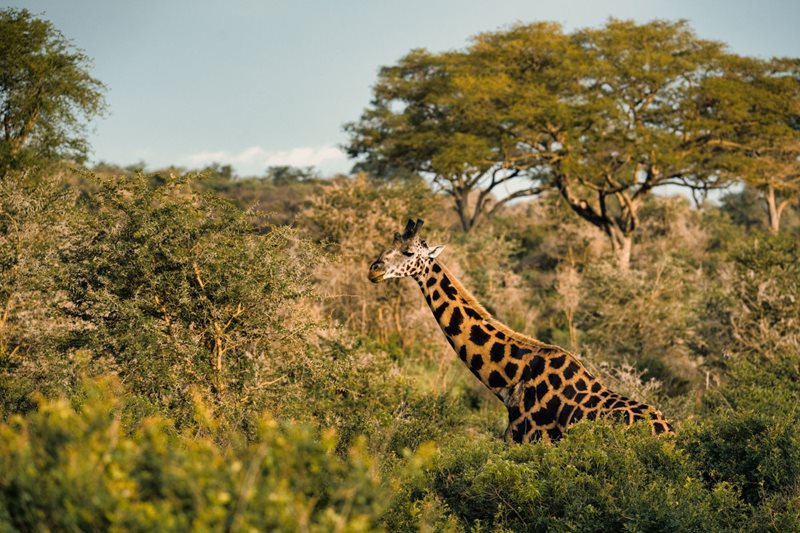
LIFESTYLE NEWS - On the African savanna, a drone equipped with artificial intelligence (AI) detects unusual movement near a herd of elephants.
Within minutes, wildlife rangers are alerted and mobilised, intercepting suspected poachers before they can reach the animals.
Thousands of kilometres away in the Amazon, AI-powered sensors detect the distinctive sound of chainsaws. An alert is sent to law enforcement, who move to investigate and stop suspected illegal logging.
In a laboratory, meanwhile, scientists are using AI to study animal cell lines and growth media, helping to bring cost-effective cultivated meat closer to commercial production.
These are just three examples of how AI could become an unexpected ally in efforts to protect animals and the fragile ecosystems on which they depend.
Technology has always been a double-edged sword. Innovations designed to advance human interests have frequently come at a cost to animals and the natural world. The same technologies that can reduce some of the burdens humans place on animals can also make it easier to exploit them.
The rapid development of AI presents an opportunity to change that trajectory.
Used responsibly, AI could help protect wildlife, transform food production, detect disease, strengthen animal protection laws and deepen our understanding of animal intelligence and behaviour. But the outcome will depend on how the technology is developed and applied – whether it is used to protect animals and ecosystems or to make existing systems of exploitation more efficient.
Rethinking food production
AI is increasingly being used in industrial animal agriculture to improve efficiency and maximise profits. This includes AI-powered surveillance systems to monitor animals, technologies designed to optimise feeding and automated robotics that can reduce labour costs.
While these technologies can improve productivity, they do not necessarily address the environmental costs of intensive animal agriculture, growing concerns around antibiotic resistance or increasing scientific evidence about animal sentience and cognition.
AI could, however, play a very different role in transforming the global food system.
One promising application is the development and large-scale production of cultivated meat. AI can help scientists identify viable animal cell lines and optimise the growth media needed to produce meat without raising and slaughtering animals.
It could also help tackle some of the biggest challenges facing cultivated meat, including replicating the taste and texture of conventional meat and shortening development timelines sufficiently to bring down production costs.
AI could similarly accelerate the development of plant-based meat alternatives, potentially helping to reduce the pressure food production places on forests, freshwater resources and the environment.
The potential is significant: using technology to produce more food with fewer resources could help reduce both the environmental footprint of food production and some of the ethical concerns associated with conventional animal agriculture.
Protecting wildlife and habitats
AI is already providing conservationists with new tools to monitor and protect wildlife.
By analysing satellite imagery, law-enforcement activity, trade networks and online marketplaces, AI systems can help identify patterns associated with illegal wildlife trafficking.
AI-assisted surveillance technologies, including systems such as TrailGuard AI, Predictive AI and Smart Parks, can combine drones, cameras and biological sensors to detect potential poaching activity.
Some systems can recognise sounds such as gunshots or animal distress calls, while others analyse images and movement patterns to identify suspicious activity.
The technology can also assist with habitat conservation.
AI can analyse satellite data to monitor ecosystems, identify areas of habitat loss and support restoration efforts.
Tracking animal movements can help researchers understand migration patterns and reduce human-wildlife conflict, while improved climate modelling can provide greater insight into the effects of climate change on ecosystems and wildlife.
More sophisticated weather forecasting could also help conservation authorities prepare for extreme events and establish preventative measures, including evacuation corridors for vulnerable wildlife.
AI-guided robotic systems may even assist with locating and rescuing injured or trapped animals following natural disasters.
As cities expand, AI could also help planners understand how proposed developments may affect wildlife habitats and movement corridors, potentially supporting more wildlife-sensitive decisions.
The potential is considerable – provided conservation and protection remain the objective rather than simply using technology to make exploitation more efficient.
Strengthening zoonotic disease prevention
AI is also emerging as a valuable tool in the detection and prediction of zoonotic diseases – illnesses that can spread between animals and humans.
By processing enormous volumes of information, AI systems can identify patterns that might otherwise be difficult to detect and potentially provide an early warning of emerging health threats.
Applications include monitoring sewage and wastewater for signs of disease and analysing large datasets to identify antibiotic-resistant bacteria and viruses.
The growing investment in AI-based disease surveillance reflects the potential of technology to improve preparedness and help identify emerging threats before they develop into larger public-health crises.
Understanding animal intelligence
Scientific understanding of animal sentience and intelligence has expanded considerably in recent decades, and AI is opening up another frontier: the study of animal communication.
Researchers are using AI to analyse animal vocalisations and behavioural patterns in an effort to better understand how different species communicate.
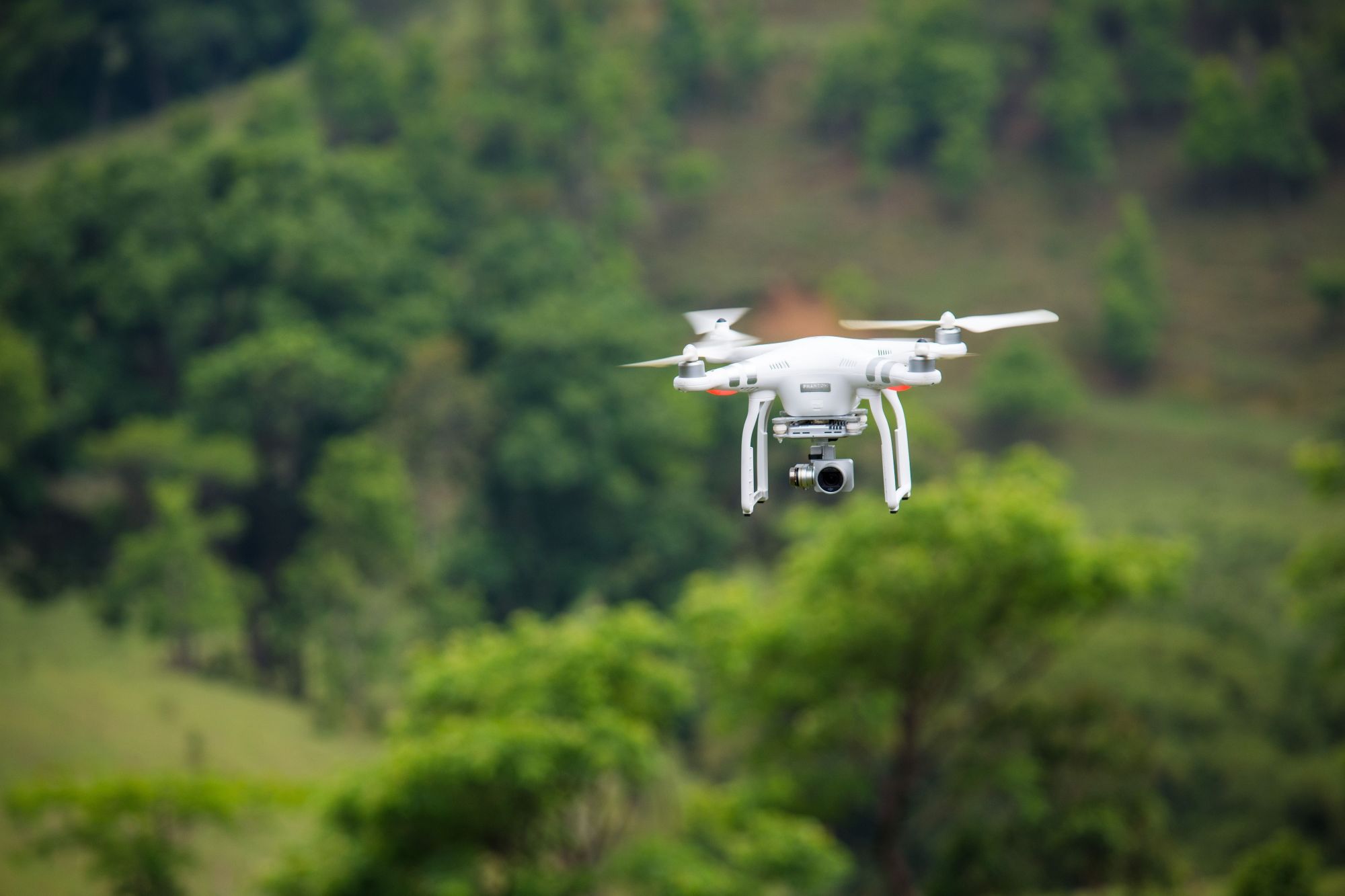
AI is also emerging as a valuable tool in the detection and prediction of zoonotic diseases ie illnesses that can spread between animals and humans. Photo: Nacho Monge, Pexels
The possibility of decoding aspects of animal communication could fundamentally influence how humans understand other species. If animals can provide information about how they experience their surroundings - from captivity and intensive farming to polluted oceans and changing habitats - it could challenge the idea that animals are simply resources for human use.
There is, however, an important ethical distinction.
Technology that can identify stress, illness or distress in captive animals may improve their welfare, but the same technology should not be used to legitimise systems that cause or perpetuate suffering.
The legal and ethical implications of understanding non-human communication are already attracting attention, including within the legal profession.
As scientific knowledge of animal intelligence grows, questions about how the law should respond are likely to become increasingly important.
Using AI to strengthen animal law
Animal law has developed rapidly over the past two decades, with growing recognition in some jurisdictions that animals are sentient beings deserving of legal protection.
AI could help accelerate this development by analysing the vast and often fragmented body of legislation, regulations, court decisions and policies governing animal protection.
For example, AI could be used to identify gaps or inconsistencies in animal protection laws within individual countries and across international legal frameworks.
It could also analyse inspection reports, law-enforcement records and other data to assess how effectively existing laws are being implemented.
This could help identify areas where legislation or enforcement needs to be strengthened and provide policymakers and legal practitioners with a clearer picture of where protections are falling short.
Choosing what AI is used for
The rise of AI presents an opportunity to rethink the relationship between humanity, animals and the natural world.
The technology itself is neither inherently protective nor destructive. Its impact will depend on the choices made by the people, industries and institutions developing and deploying it.
AI can make existing systems of exploitation more efficient. But it can also help detect poaching, protect habitats, improve disease surveillance, develop alternatives to animal agriculture and deepen our understanding of other species.
The challenge is to ensure that technological progress does not simply make exploitation more sophisticated.
By directing AI towards protection, conservation and better understanding, humanity has an opportunity to use one of the most powerful technologies of our time to help create a future in which people, animals and the natural world can coexist more sustainably.
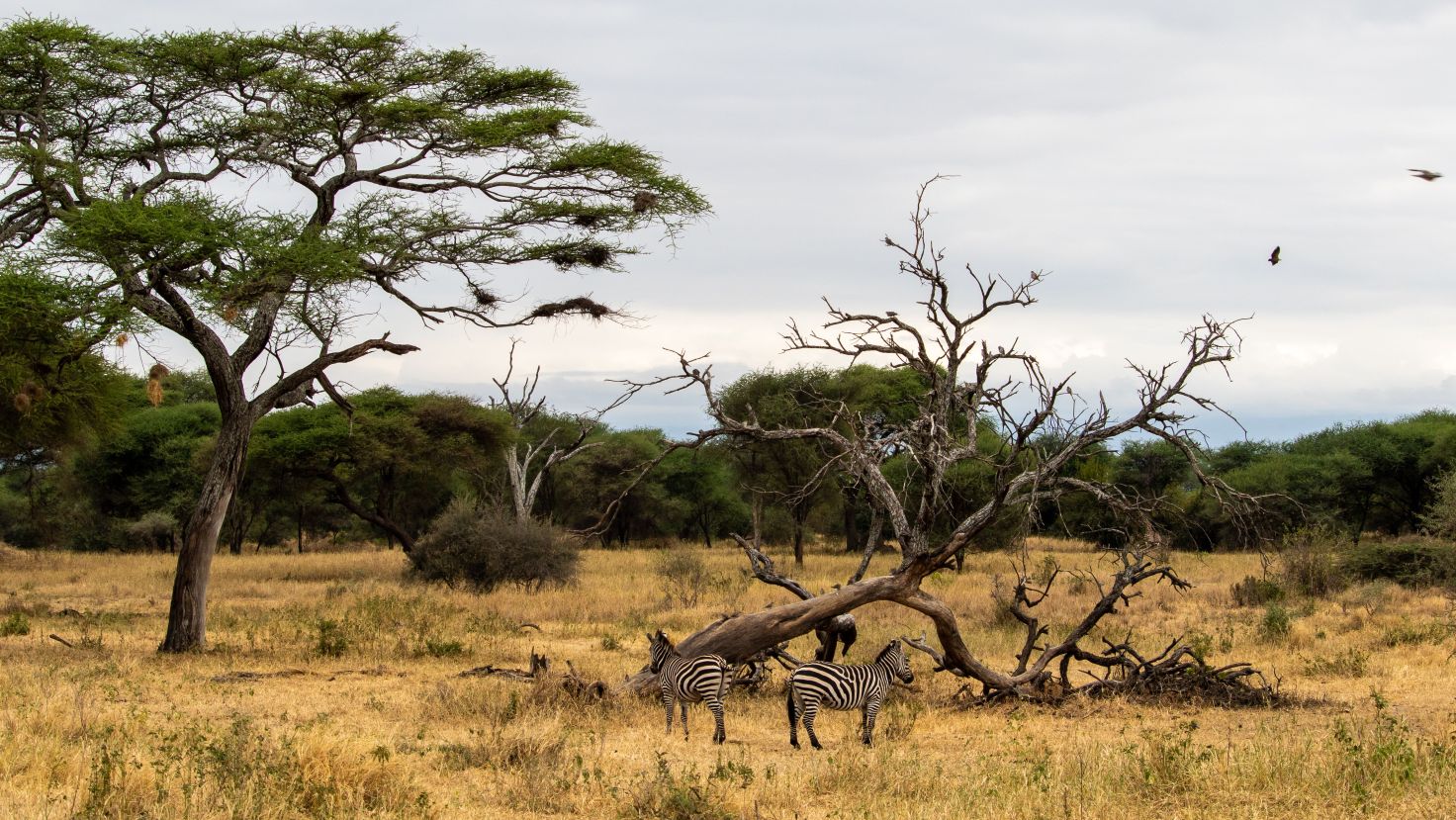
The challenge is to ensure that technological progress does not simply make exploitation more sophisticated. Photo: Pexels
‘We bring you the latest Garden Route, Hessequa, Karoo news’