


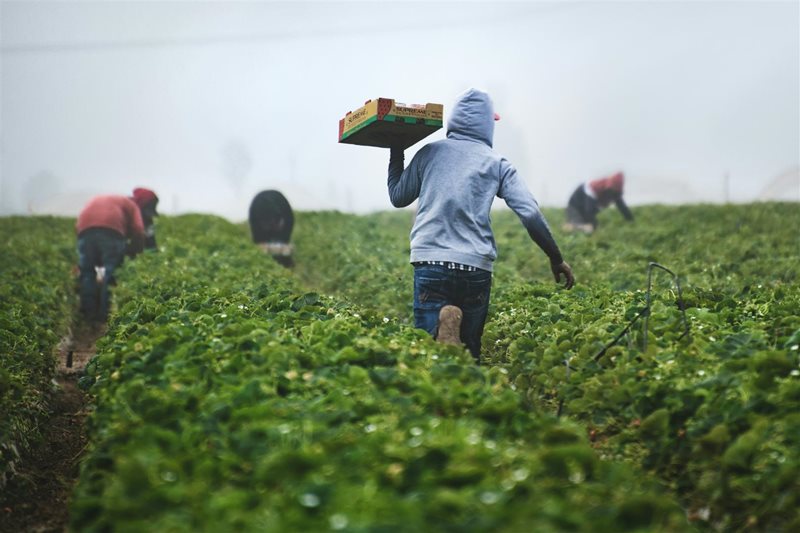
ENVIRONMENT NEWS - The term “farm-to-table” has become an integral part of the restaurant and lifestyle culture in South Africa.
As more consumers become more health-conscious and sustainable, these beliefs and behavioural shifts influence their choices.
According to a consumer report, South African consumers expect brands to support them in living a healthy lifestyle, with 42% citing health benefits as one of the most important reasons they switch food brands.
75% of consumers demand cleaner, more transparent food production. While 70% plan to eat more fresh produce, showing a clear shift toward whole foods and proactive health management.
Zander Spammer, agricultural resource manager at Southern Oil, says; “Beyond being the buzzword, farm-to-table has an integral role in connecting sustainable farming practices, building resilient food systems and local food sourcing while lessening pressure on the supply chain and reducing carbon footprint.”
However, it goes beyond consumer needs; South Africa requires a more strategic approach to farm-to-table and addressing social and economic implications becomes key.
Socioeconomic realities build the case for farm-to-table
Rising food prices, food insecurity, high unemployment, and climate change are a reality for South Africans, with around 15 to 16 million people having inadequate or severely inadequate access to food.
“Despite the country’s ability to produce enough food to feed the population, there is an ecosystem at play that influences pricing models, impacted by global supply chain and economic shifts, which has an unfair impact on consumers with already stretched pockets,” emphasise Spammer.
“In fact, to improve food security and climate change, we must look at how we produce and consume food – encouraging local production not only means affordability but also addresses the unemployment gap.”
Boosting local economies should always be a priority. Within the agricultural sector, supporting local farmers means the money stays within the community and creates employment opportunities that not only unlock financial hardships for families but also bring infrastructural developments.
“Take canola farming, while cultivated in various parts of the world, South Africa is one of the key production regions, having over 600 producers dedicated to this valuable crop. Beyond farming, canola supports local processing capacity and provides protein rich feed for the livestock sector, creates additional jobs and strengthens rural economies - a tangible benefit of how supporting local agriculture filters beyond the farm gate,” adds Spammer.
Simultaneously, building sustainable food systems involves managing environmental risks, as they affect output.
Climate change may limit resources
Monitoring weather patterns is important for farmers, as it allows them to anticipate and plan for what lies ahead. Take the expected El Niño weather phenomenon which according to an agricultural economist, will impact the 2026-27 summer crop season, which will only be planted in October 2026. Its impact on food price inflation will be more visible in 2027.
“While the impact of phenomena like El Niño can be significant, the real impact is not yet known, and the rain forecast during June and July will indicate its severity. Farmers will use this information to help them plan around soil moisture management for the summer," stresses Spammer.
Resource management is influenced by other factors, including the previous season's crop yield, how much made it to retail, how much was exported, and how much was left over, which, coupled with upcoming yields, will play a role in managing food systems.
“In addition to soil management and other environmentally friendly methods, sourcing from local farmers allows for low greenhouse gas emissions from produce not being transported over long distances, while also reducing waste, allowing produce to arrive fresh,” adds Spammer.
These combined factors indicate that farm-to-table is not a food trend but rather a strategic lever for resilience and sustainability.
As we commemorate World Environment Day on 5 June, the agricultural industry plays a crucial role in building sustainable food systems and meeting the need for farm-to-table, which supports consumers' healthy lifestyles, drives demand for local produce, and supports local farmers for economic development.
It’s about understanding the balance of scale between sustainability and food production. Additionally, food producers have a responsibility to produce sustainable and ethical products that not only take away from the environment but also put back into it to leave it in better condition than how they found it,” concludes Spammer.
‘We bring you the latest Garden Route, Hessequa, Karoo news’