

OPINION - On Wednesday 5 August the South African government quietly published a draft of its National Biodiversity Strategy and Action Plan for 2026-2035 [NBSAP], a sweepingly consequential program that sets out how the country will protect and manage its natural resources for the coming decade, and the nation’s primary instrument for actioning the international Convention on Biological Diversity.
Not a set of regulations in itself, the NBSAP published under the National Environmental Management: Biodiversity Act [NEMBA] will eventually guide policy and implementation, while the National Biodiversity Framework is the statutory mechanism intended to translate it into more operational biodiversity management.
Taken together these are our three interconnected pillars for the thorny issue of biodiversity governance.
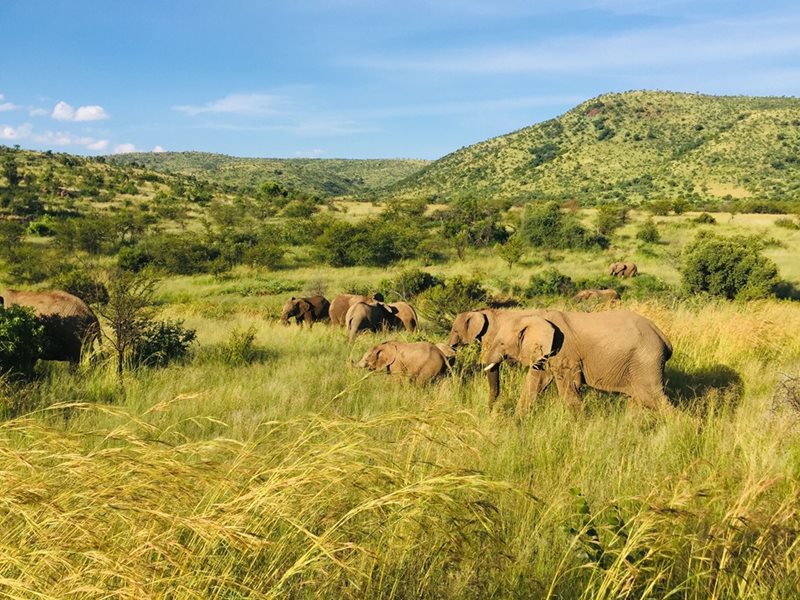
South Africa has an extraordinary natural inheritance. We are one of the world's megadiverse countries, with more than 20,000 indigenous plant species in 9 terrestrial biomes spanning 458 terrestrial ecosystem types, alongside 150 marine ecosystem types and hundreds of freshwater wetland and river classifications.
With high levels of endemism; much of our biodiversity is irreplaceable. Yet the latest National Biodiversity Assessment tells us something uncomfortable: almost half of our ecosystem types are threatened, while 16 percent of assessed plants and 10 percent of assessed animals are already threatened.
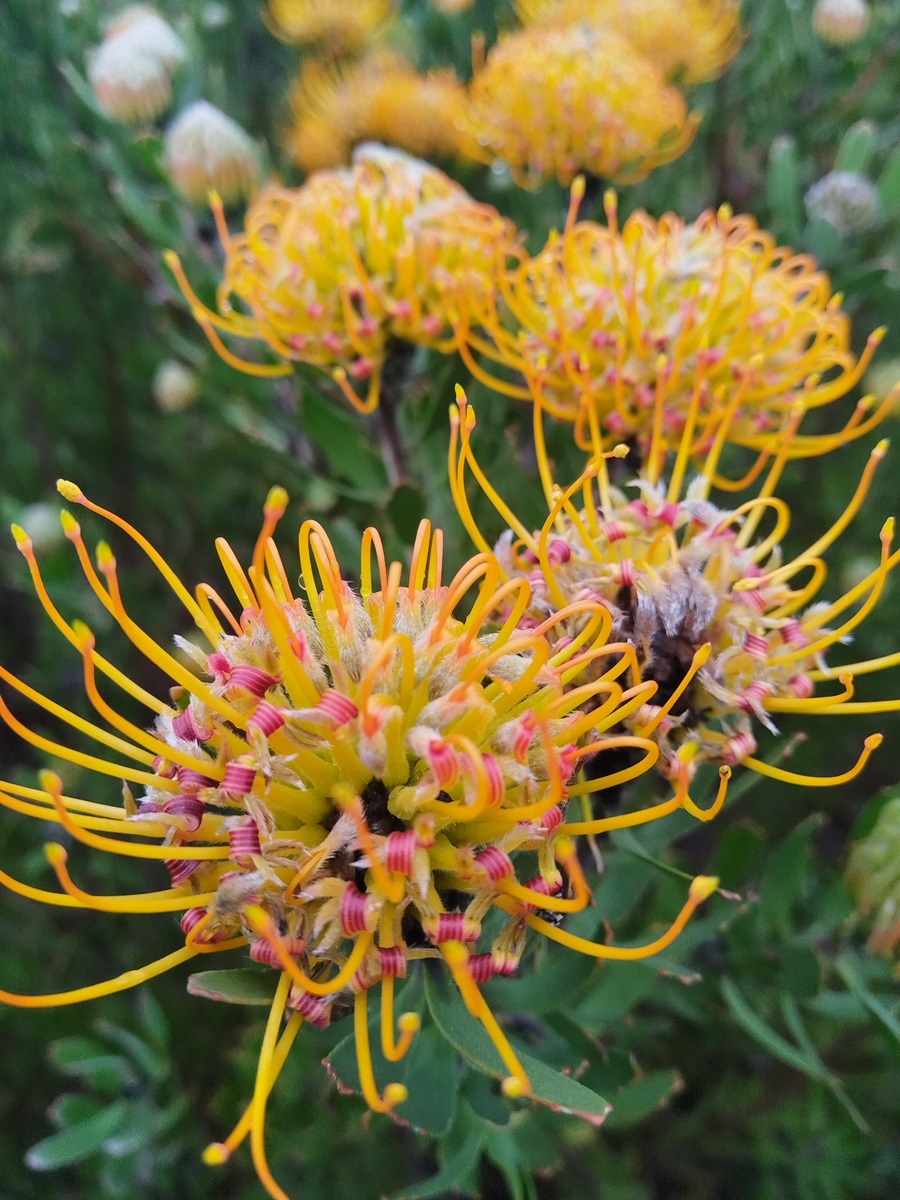 Fynbos
Against this backdrop, the publication of South Africa's new draft National Biodiversity Strategy and Action Plan deserves genuine public attention.
The draft recognises ecosystems, ecological integrity, connectivity, genetic diversity, invasive species, restoration, freshwater security and climate resilience as interconnected parts of the same system - and it explicitly calls for biodiversity to be integrated into decision-making across government and society.
The fact that biodiversity is being treated as something far bigger than a collection of charismatic animals is a positive direction.
However, while the draft says many of the right things; South Africa cannot afford a biodiversity strategy in which economic utilisation becomes more measurable and better funded than actual conservation work and ecological recovery.
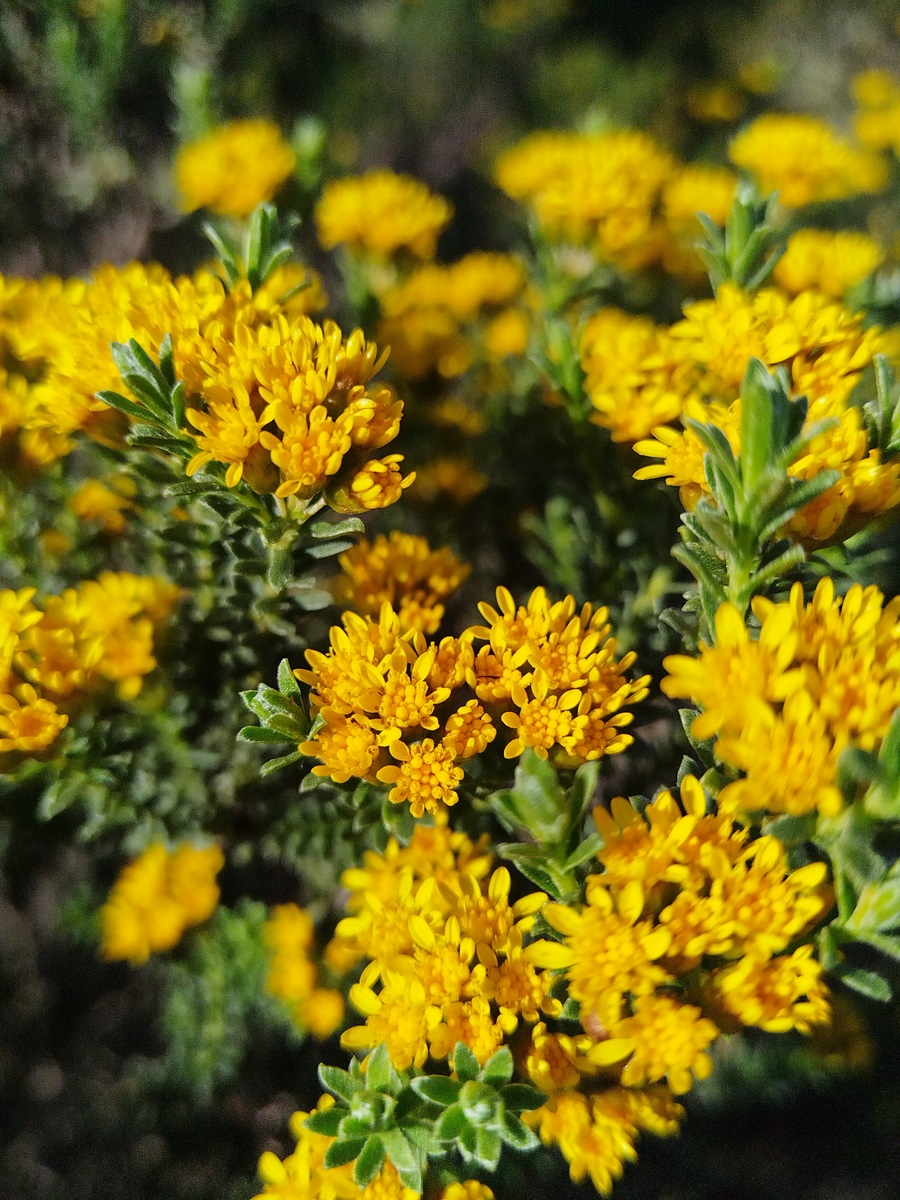 Fynbos flowers in bloom.
Will South Africa's biodiversity be in a better condition in 2035 than it is today?
One of the most significant features of the draft is its emphasis on the "biodiversity economy”.
The document proposes expanding value chains involving wildlife, bioprospecting (the systematic search for commercial value in nature), marine and freshwater resources, while increasing the Gross Domestic Product [GDP] contribution of the biodiversity economy by 10 percent by 2035.
It also explicitly includes activities such as ecotourism, hunting, fishing and harvesting within the biodiversity economy.
There is nothing inherently wrong with people deriving livelihoods from nature. Indeed, conservation can’t succeed if local communities are not involved and cannot benefit sustainably from the healthy ecosystems on their doorsteps.
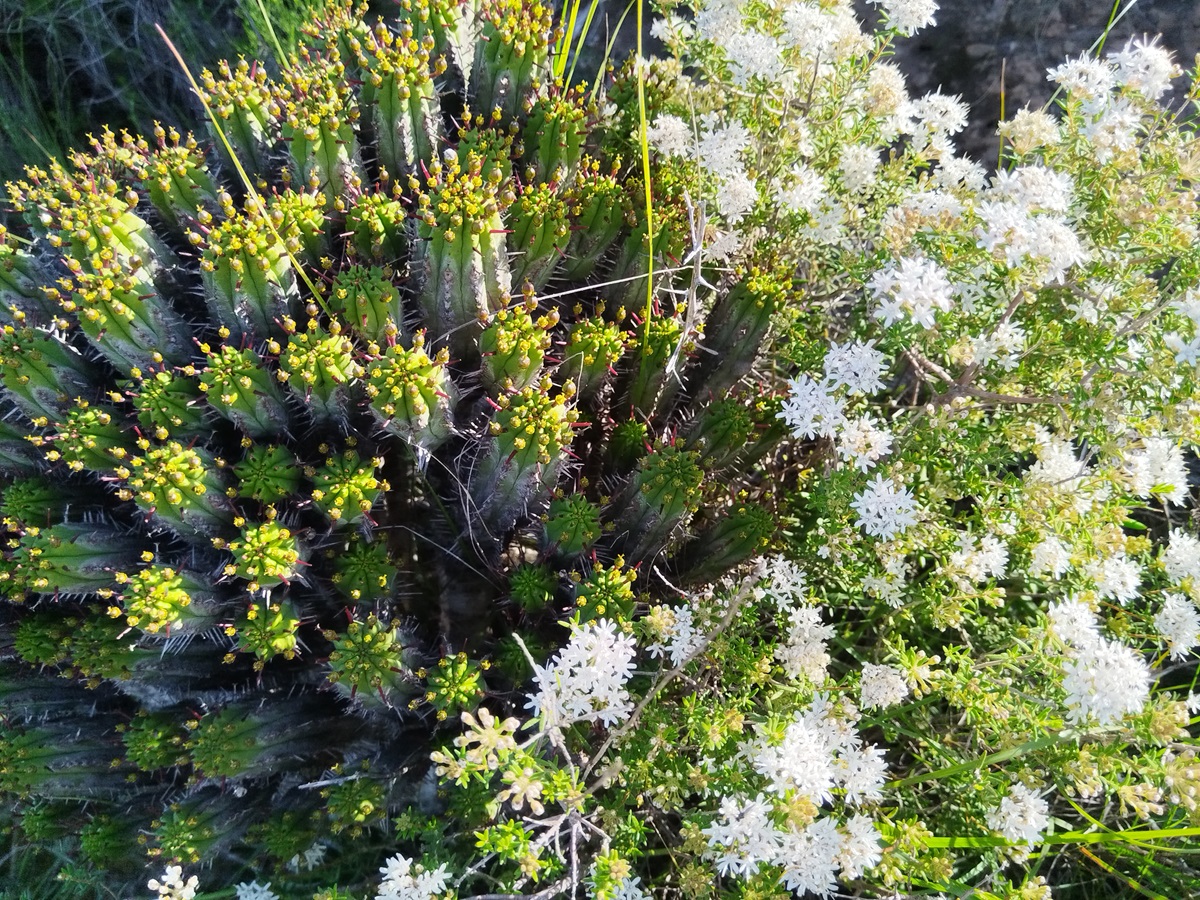 More fynbos in bloom.
With that said, there is a critical distinction between ‘an economy that depends on biodiversity’ and ‘an economy that restores biodiversity’. The first can generate revenue while natural capital continues to decline. The second makes ecological flourishing a prerequisite for economic success.
The draft itself acknowledges that biological resource use, habitat loss, invasive species, pollution and climate change are major pressures on South Africa's biodiversity.
It also says the biodiversity economy must operate without depleting the biological foundation, and we cannot treat economic activity as automatically synonymous with conservation - because it’s not. However, the test for every biodiversity-economy activity should be stronger than simply asking whether it is legal, economically productive or merely described as sustainable.
Does it measurably maintain or improve biodiversity?
If the answer is no, it should not be presented as a conservation outcome.
Numbers alone do not protect nature
The draft contains encouraging targets. By 2035 it aims to restore or rehabilitate at least 22 percent of degraded terrestrial ecosystems and prioritise freshwater and coastal ecological infrastructure. It also targets the expansion of protected and conserved areas to 21 percent of land-based areas and 20 percent of marine areas.
It notes that wildlife ranches and other areas may potentially qualify as Other Effective Area-Based Conservation Measures [OECMs] although these areas have not yet all been properly defined, verified or measured. This is precisely where ecological integrity and intactness must remain the measure of success.
A hectare is not necessarily a hectare of conservation land simply because it is counted in a database. In other words: a landscape can contain wildlife, generate tourism revenue and still lose indigenous plants, genetic diversity, ecological functionality and habitat quality.
South Africa therefore needs to measure ‘what is happening to biodiversity within conserved areas’, not merely ‘how many hectares have been labeled as conserved’. That means monitoring species populations, threatened species, genetic diversity, ecosystem condition, invasive species, ecological connectivity and restoration or rewilding outcomes.
The species target in the draft includes preventing extinctions, recovering threatened species and maintaining genetic diversity, while its actions include DNA-based monitoring and targeted conservation of indigenous and range-restricted species - but those are not footnotes or auxiliary measures, they should be at the heart of implementation.
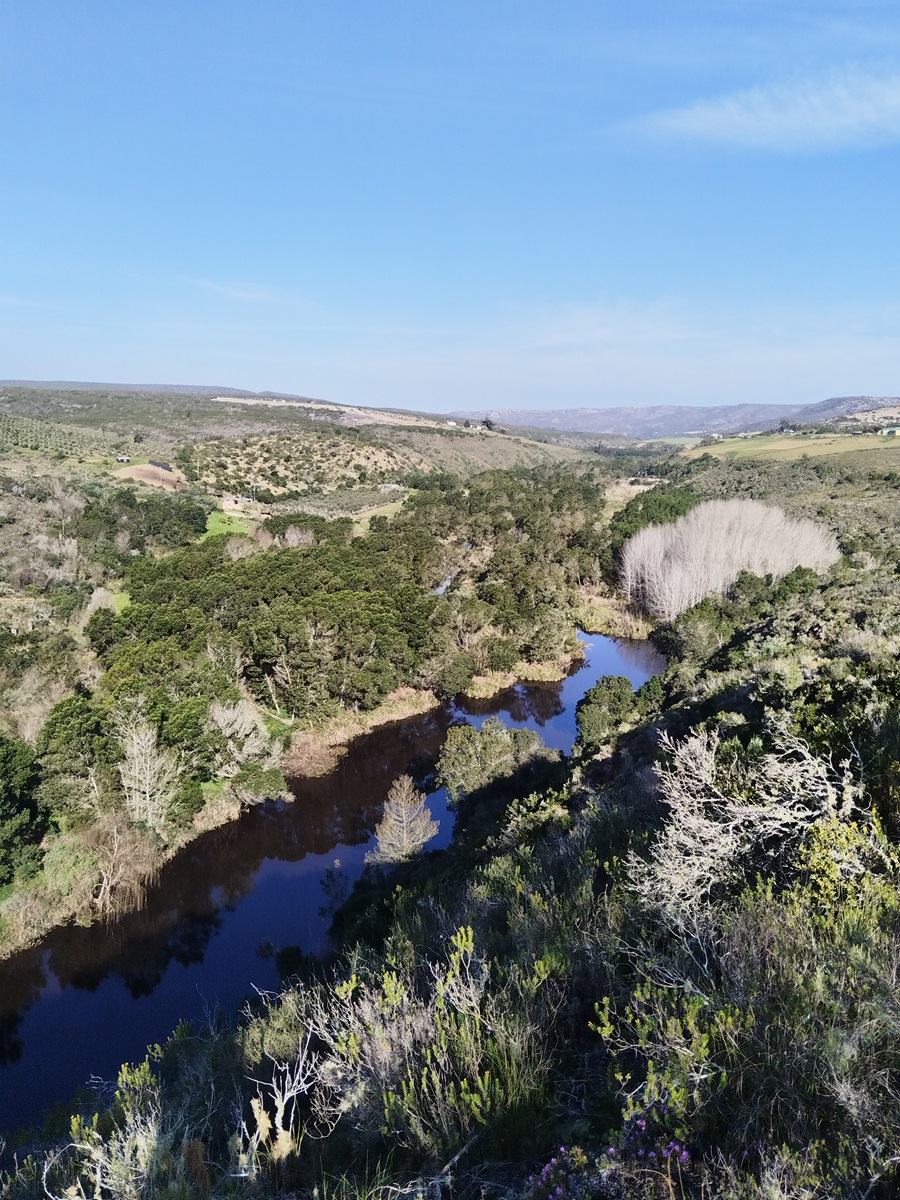 Goukou River.
In the Cape Floristic Region, we know how deceptive the word "biodiversity" can sometimes be. With the help of a little plant blindness from an untrained eye, a natural area can look green and productive while losing species that occur nowhere else.
A hectare dominated by invasive alien vegetation is still a hectare of vegetation. A deteriorating ecosystem can still support some animals. And a landscape can generate income while becoming ecologically poorer.
Conservation means more than protecting individual species - it means protecting the living system around them: indigenous vegetation, pollinators, reptiles, birds, insects, soil microorganisms, water systems, ecological processes and the relationships between them.
The document identifies invasive species as a major pressure across ecological realms and specifically links their control to the recovery of indigenous species and ecological infrastructure - however this needs to become one of the country's highest practical priorities.
According to new reporting, the Garden Route is facing an alarming environmental crisis, says veteran environmental manager Dr. Guy Preston, who recently visited the region - expressing "deep concern at the extent of invasive alien plants."
Restoration should not simply mean clearing hectares of alien vegetation: it must mean bringing back indigenous biodiversity and ecological function.
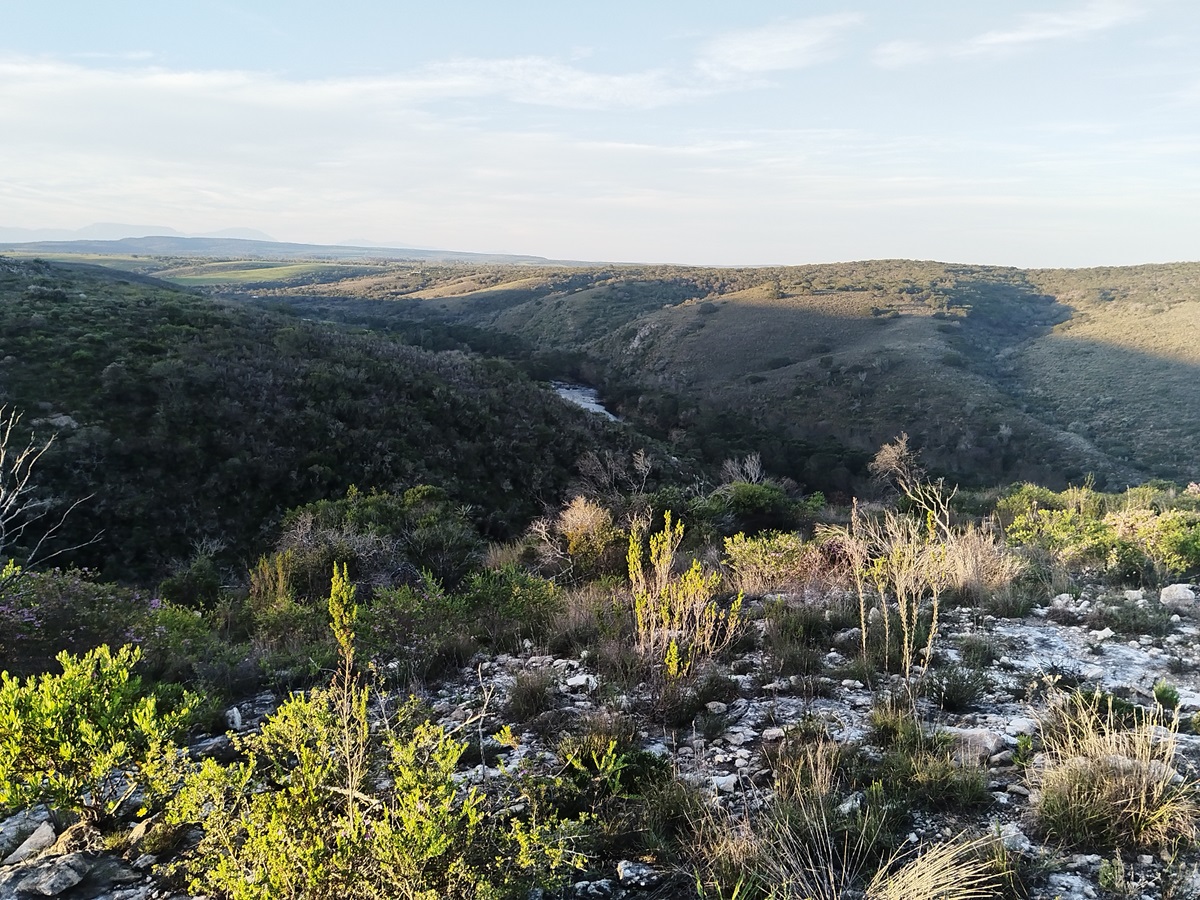 Riversdale region.
The ‘30 percent’ question cannot be ignored
The global Kunming-Montreal Biodiversity Framework calls for effective conservation of at least 30 percent of terrestrial and inland water areas and of marine and coastal areas by 2030.
The draft NBSAP sets a national target of 21 percent land-based and 20 percent marine protection by 2035, falling somewhat short of the target. It does, however, state that government, civil society and the private sector will work towards an additional 10.4 million hectares of land-based protected and conserved areas, conditional on mobilising resources, in pursuit of the global 30 percent ambition.
Though if we know biodiversity loss is accelerating at an unprecedented rate then why should our goal be to arrive at 21 percent while the international target is 30 percent? South Africa should be asking how we can elevate and better support conservation, not merely how we can reach for lesser outcomes.
There is an important nuance here: 30 percent was not chosen because scientists determined that exactly 30 percent of the planet must be protected for biodiversity to survive. It is better understood as a science-informed global policy target that emerged from evidence about how much habitat and ecological space needs some form of effective conservation, combined with the practical need for a clear, measurable and achievable international goal.
The 30 percent target was supported by scientific studies, but it is also stressed that where and how effectively those areas are conserved matters more than simply reaching a coverage percentage.
Biodiversity isn't distributed evenly. Some areas contain vastly more species, endemic species or important ecological processes and services than others. Protecting a strategically selected 30 percent can therefore achieve far more than simply protecting any random 30 percent.
The Kunming-Montreal target consequently specifies that the protected areas should be ecologically representative, well connected and focused particularly on areas important for biodiversity and ecosystem functions.
Protect 30 percent, and the other 70 percent doesn't matter? Quite the opposite: all 100 percent of the land-and-seascape matters, but 30 percent is intended to provide a substantial network of areas where conservation is the dominant objective - and a collection of isolated protected areas isn't equivalent to a functioning ecological network. Species need to move. Populations need genetic exchange. Rivers need functioning catchments.
Conservation doesn’t live neatly in a ledger. This is not a box-ticking exercise. Thirty percent of poorly managed land is not equivalent to 30 percent effectively conserved land. If South Africa says, “We have achieved X percent conserved area,” the next question should be: “What is happening to the biodiversity inside that X percent?”
Why is South Africa setting a 2035 national trajectory that doesn’t measure up to the global 30 percent 2030 aspirations, and how will it ensure that whatever percentage is attained actually delivers measurable biodiversity outcomes?
 The next decade is a crucial period in environmental policy and South Africa has an opportunity to make it a positive turning point.
Financing the future of biodiversity
Perhaps the most important part of the entire document is also one of the least glamorous: implementation.
The draft openly acknowledges that biodiversity expenditure has lost real purchasing power. Between 2016 and 2024, nominal biodiversity expenditure increased, but real expenditure declined from ZAR 14.31 billion to ZAR 12.9 billion. The strategy proposes innovative finance mechanisms, private investment, biodiversity credits, offsets, green bonds and directing some income from water charges towards ecological infrastructure.
These mechanisms may have an important role, but conservation must never become dependent on the underlying assumption that nature will pay the full tariff for its own protection.
Says Gill Simpson, Founder / Director of the Wild Rescue nature reserve, “Some of the most important biodiversity in South Africa has little immediate commercial value and may never directly generate a meaningful financial return - but ecological value is not diminished by a human-contrived price tag.
"Money is a human-made concept; ecological function is a natural necessity and a civilisational necessity. We can change the way we value money and commodities, but we cannot negotiate with the processes that keep ecosystems functioning and that keep us all alive.”
We cannot afford to underinvest in the natural systems that sustain us
The draft NBSAP recognises the scale of South Africa's biodiversity crisis. It gives restoration and invasive species their own thematic focus. It recognises threatened species and genetic diversity.
It acknowledges the importance of private and community conservation. It calls for stronger monitoring, evidence-based decision-making and greater public participation. But this is a “Biodiversity Strategy”: its first measure of success must therefore be the biodiversity itself.
Not only hectares. Not GDP. Not the number of permits issued. Not the number of wildlife enterprises established. Not the amount of money flowing through the related economic sector. The true measure must be whether ecosystems are healthier, threatened species are recovering, indigenous biodiversity is increasing, ecological processes are functioning and extinction risk is falling.
The next decade is a crucial period in environmental policy and South Africa has an opportunity to make it a positive turning point. Conservation and sustainable livelihoods do not have to be opposing goals: they must support one another.
First protect the ecological foundation. Then build an economy that depends upon its continued health.
Because once biodiversity is finally gone, it can’t make you any more money - and no economic model can buy it back.
‘We bring you the latest Garden Route, Hessequa, Karoo news’